

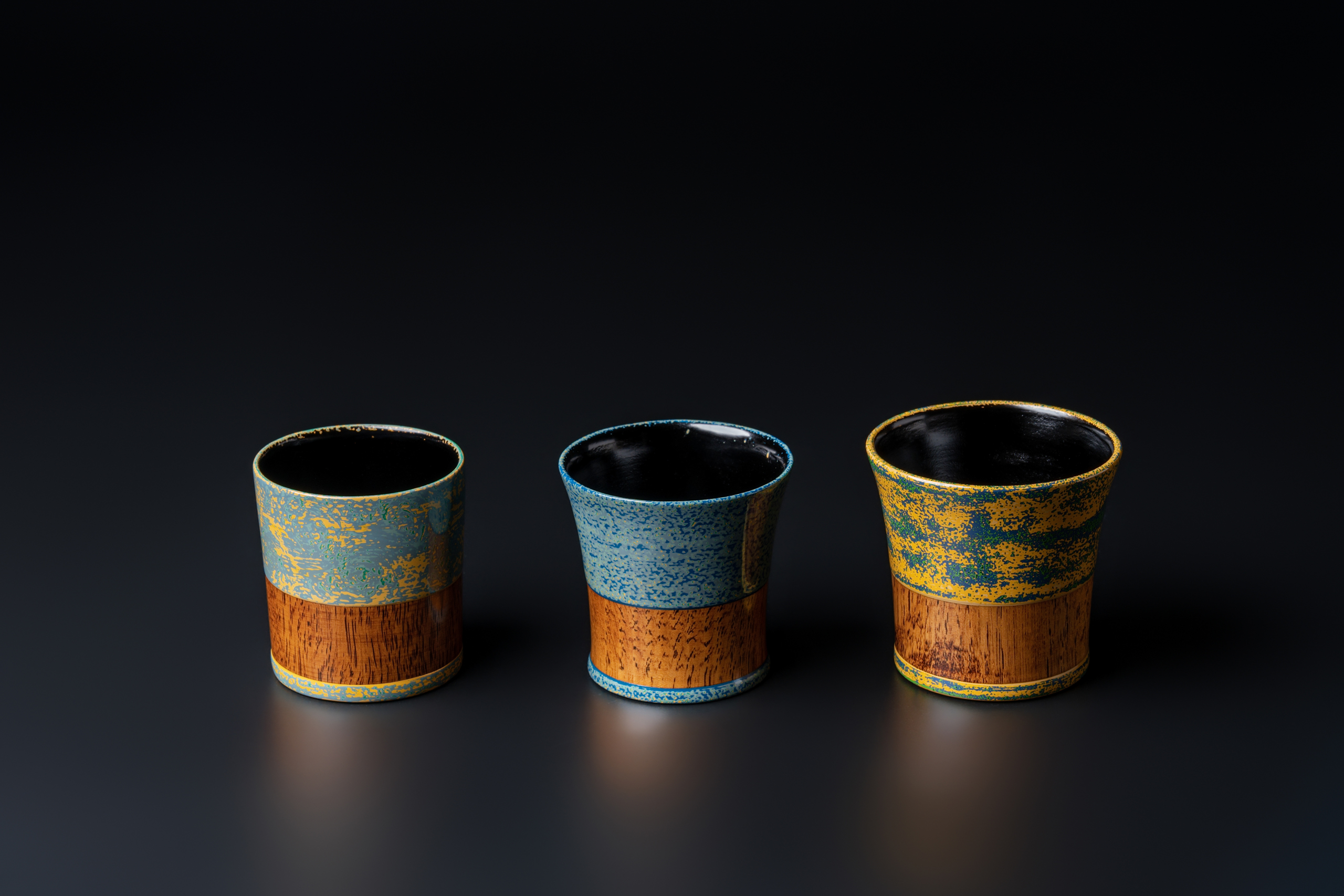
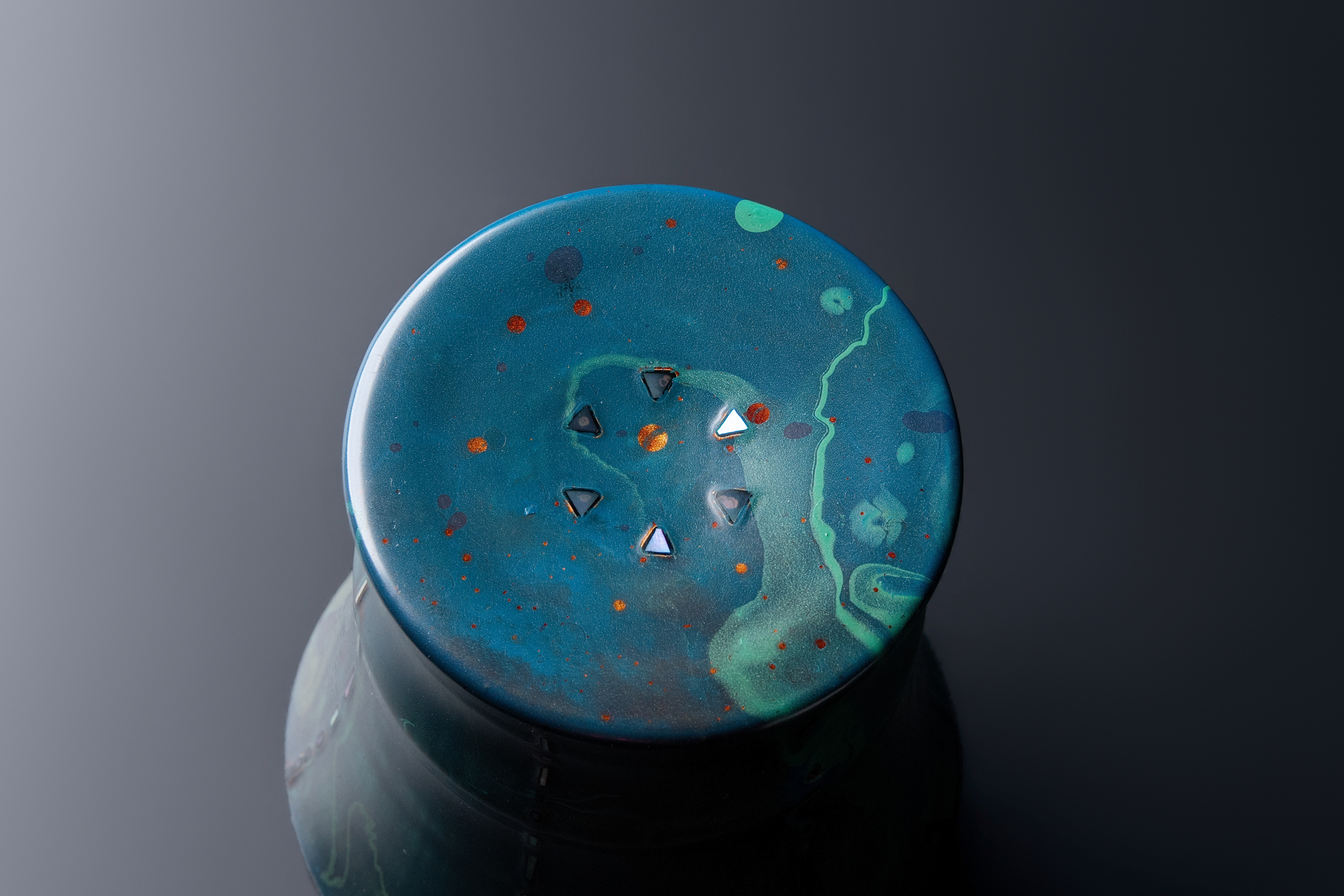
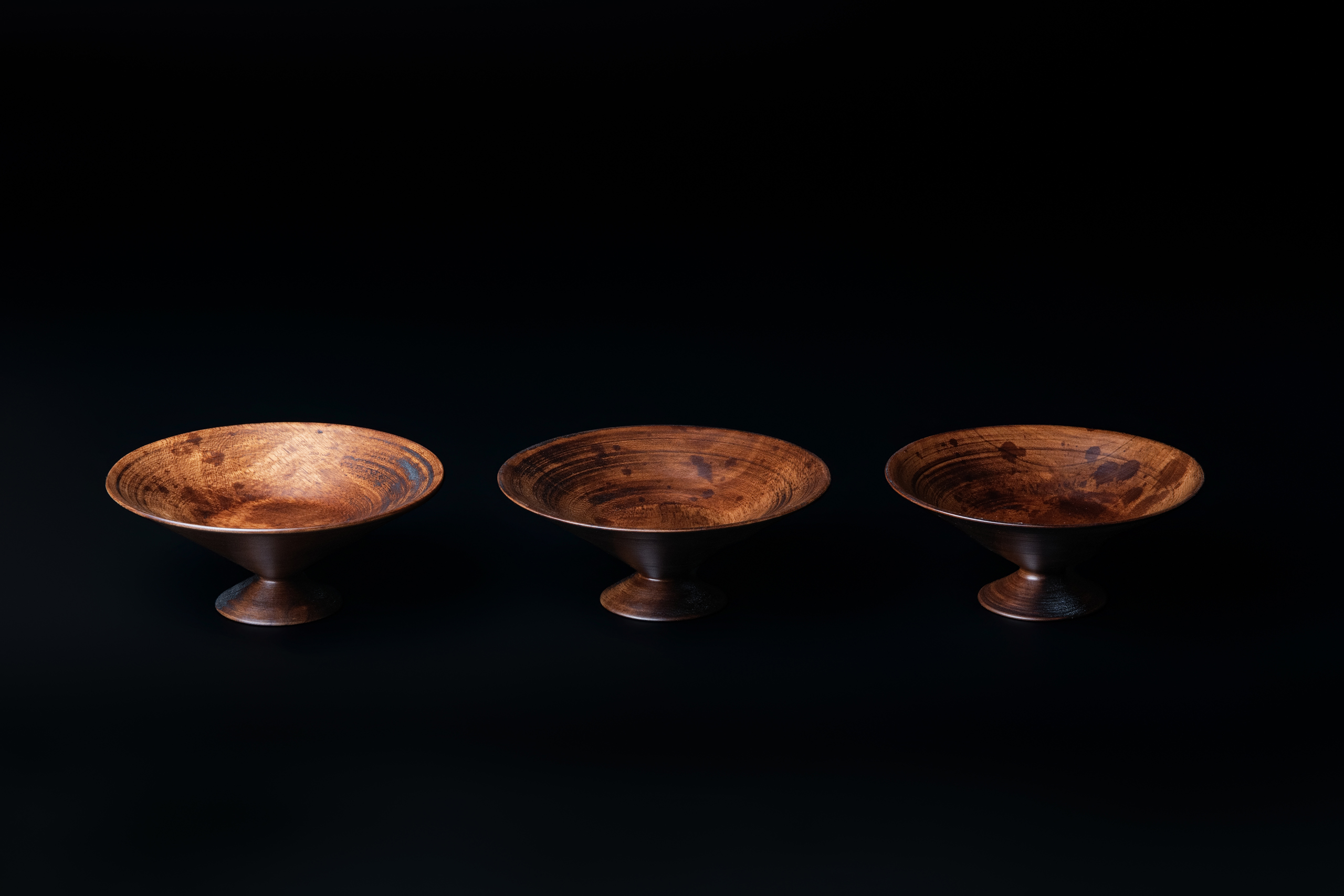
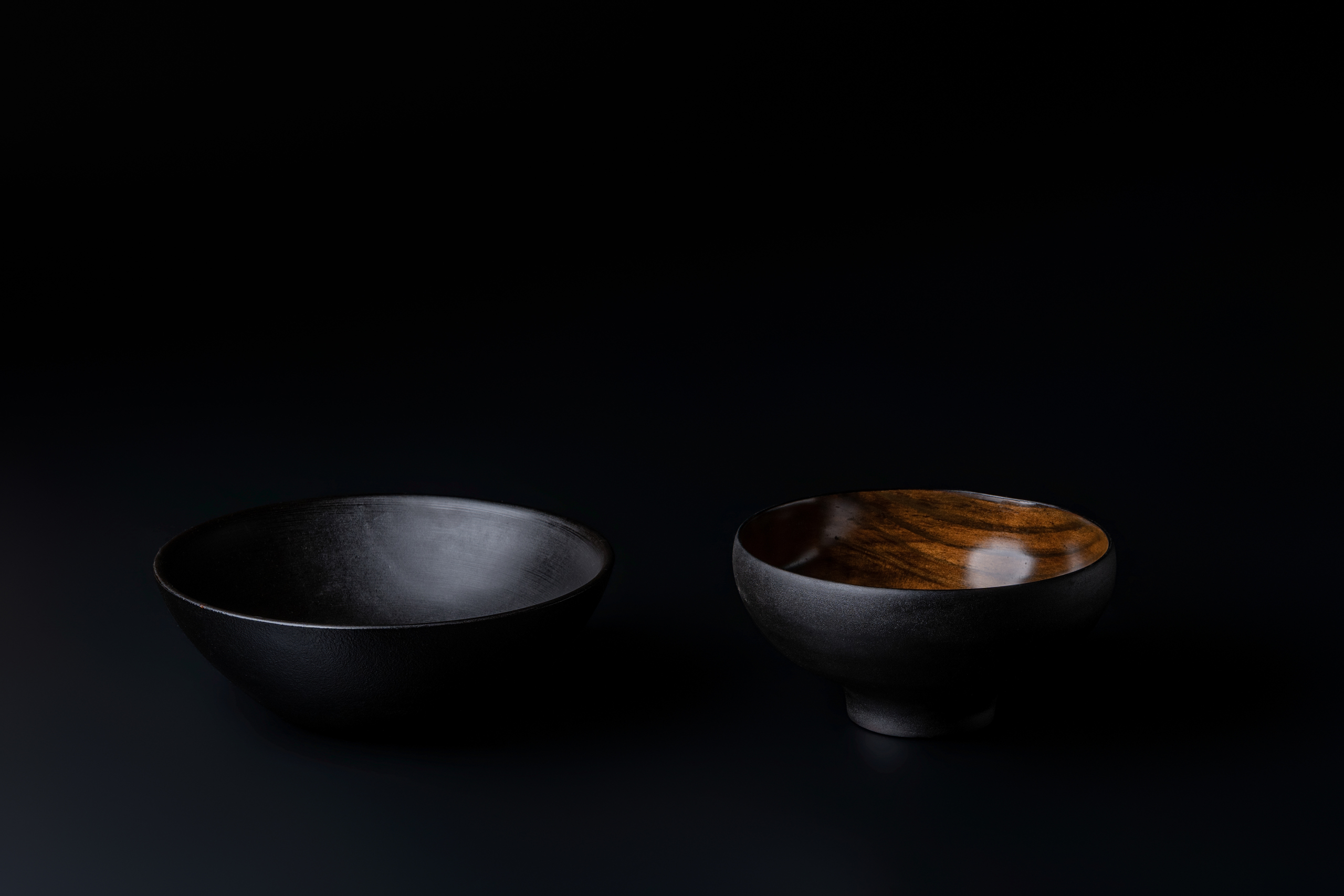
Katsuhisa Kadou creates unique works by treating wood with lacquer.
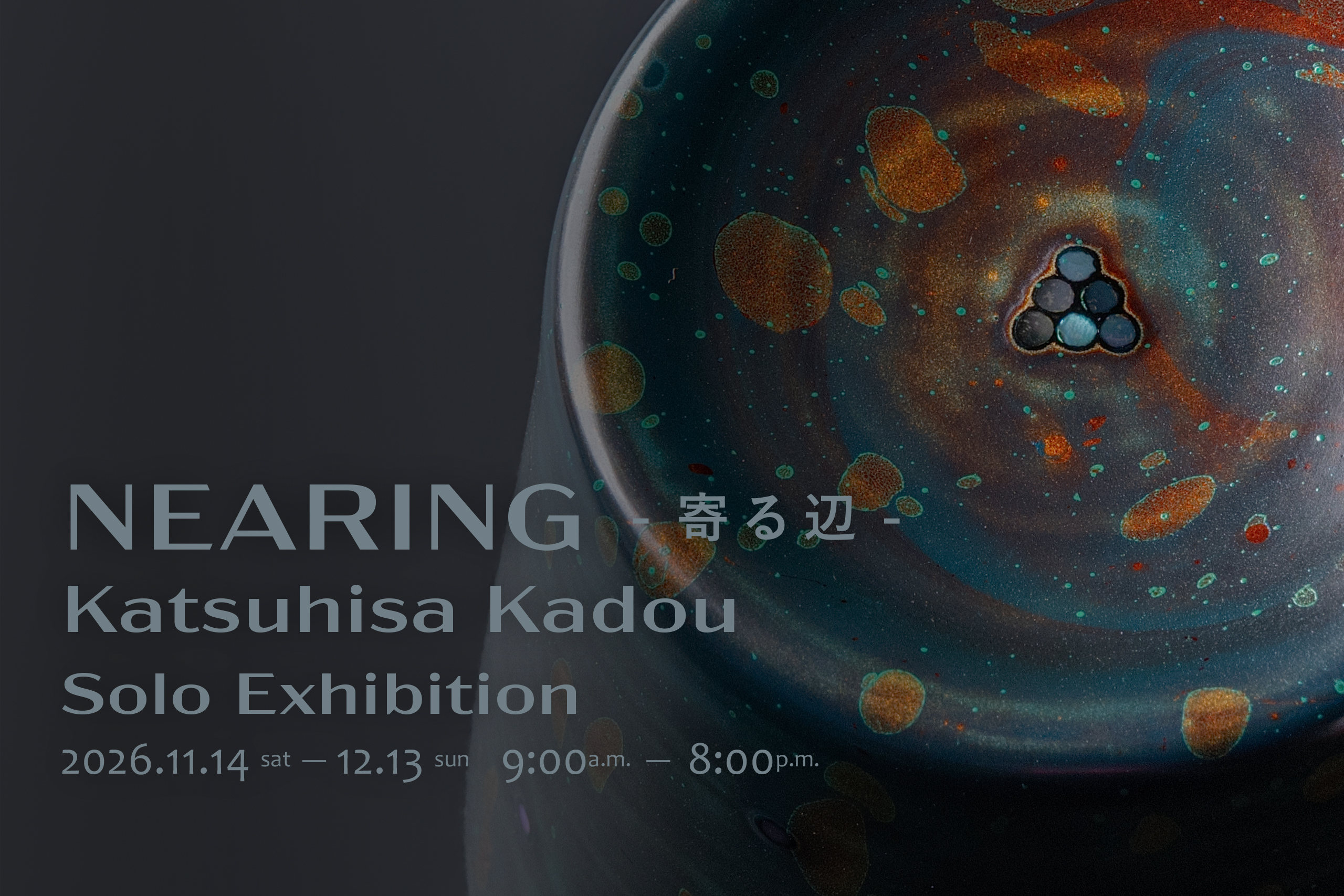
We will host a solo exhibition featuring Kadou’s works, which will be on display and available for purchase from November 14 (Sat.) - December 13 (Sun.), 2026.
Everyone is welcome to enter the venue. Please feel free to stop by and experience the art that provides a gateway to your intuitive space.
NEARING -Yorube- Katsuhisa Kadou Solo Exhibition
| Duration | November 14 (Sat.) - December 13 (Sun.), 2026 |
|---|---|
| Hours | 9:00 AM - 8:00 PM |
| Location | MB GALLERY CHATAN by THE TERRACE HOTELS 1st Floor Lobby |
| Admission | Free *We also sell the works on display. |
| Inquiries |
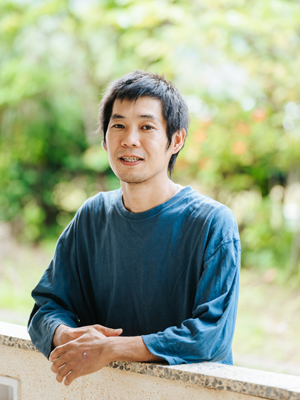
Katsuhisa Kadou: Profile
A lacquer artist who creates works using wood and urushi (Japanese lacquer). He is the founder of Somayama Studio.
After starting his career in the IT industry, he chose to return to a life closer to nature as the rapidly evolving world of technology changed around him. Following the Great East Japan Earthquake, he relocated to Okinawa, where he learned woodworking through a strong DIY spirit before independently mastering traditional lacquer techniques. Today, he creates works that reinterpret traditional craftsmanship through a contemporary sensibility.
Biography
1984 Born in Osaka, raised in Nara, Japan
2007 Founded an IT-related company
2013 Relocated to Yanbaru, in the northern part of Okinawa Island
2018 Closed the IT company and began woodworking in the Oshittai community, Nago City
2019 Began practicing urushi (Japanese lacquer) craftsmanship through self-study
Awards
2023 Received the Urasoe Mayor's Award at the 74th Okinawa Art Exhibition (Oki- ten)
Received an award in the Lacquerware Division of the Okinawa Crafts Competition.
2026 Received the Encouragement Award at the 77th Okinawa Art Exhibition (Oki-ten)
On the Occasion of the Event: A Message from Mr. Kadou
Have you ever heard of urushi, the natural lacquer harvested from the lacquer tree? It is a natural resin that has been used for thousands of years throughout Japan and other countries in East and Southeast Asia as both a coating and an adhesive.
Lacquer is the sap that slowly seeps from small cuts made in the bark of the lacquer tree. After more than ten years of careful cultivation, a single tree yields only about one cup of sap, making it an exceptionally precious natural resource.
In Japan, lacquer craftsmanship has continued to evolve from prehistoric times around 10,000 years ago through the ancient, medieval, early modern, and modern eras, adapting to the culture of each period. Yet domestic lacquer consumption has fallen to just six percent of what it was fifty years ago.
What has changed in only fifty years of such a long history?
While gaining something new, have we also lost something truly important?
Urushi is not a material of the past. Its beautiful luster, tactile feel, and the attachment that deepens with age give it an appeal that has never faded, captivating people to this day. Lacquerware also embodies a uniquely Japanese culture of repairing and continuing to use treasured objects, passing them down from one generation to the next.
I hope for a future in which wood, urushi, and the many cultures connected to them can continue to shine.
"Nearing" - a direction toward the future.
"Yorube" — a place to turn to; a refuge for the heart.
My work uses traditional lacquer techniques to take on the challenge of new and diverse forms of expression. I hope these works will help younger generations and those unfamiliar with lacquer craftsmanship discover both its beauty and its practicality.